The Pixel 7 is a top-of-the-line smartphone that boasts cutting-edge features and technology. It has a stunning display, powerful processor, and advanced camera system that sets it apart from its competitors. With its sleek design and user-friendly interface, the Pixel 7 is the ultimate device for those who demand the best. Let's take a closer look at its features and see how it outperforms other smartphones in the market.
Read more »
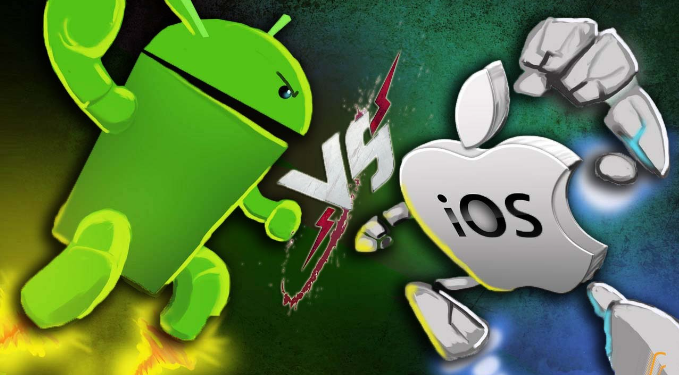
The 10 KEY Differences In Android and Apple Iphone OS (Operating Systems)
When it comes to customization options, Android beats the iPhone hands down. Android is an open-source platform, which means that developers have greater access to the operating system, and can create apps and tweaks that can modify the user interface, customize the home screen, and more. In contrast, Apple's iOS is a closed system, which means that there are limited customization options available to iPhone users.
One of the most significant advantages of Android's customization options is the ability to change the look and feel of the operating system. Users can install custom launchers, which completely change the home screen and app drawer, and can download and apply themes to change the overall look of the device. Android also allows users to change the font style and size, and even modify the lock screen.
Another advantage of Android's customization options is the ability to use third-party apps to replace default system apps. For example, users can choose a different keyboard, camera, or messaging app, and set it as the default app, which provides a more personalized experience.
The Android App Store and the iPhone App Store are two of the most popular app stores in the world, and both have a wide range of applications that can be downloaded to their respective platforms. However, there are some significant differences between these two app stores. Here are some of the key differences between the Android App Store and the iPhone App Store:
1. Accessibility: One of the primary differences between the Android App Store and the iPhone App Store is their accessibility. The Android App Store is open-source, which means that anyone can develop and publish an app for the platform. As a result, the Android App Store has a wider range of applications than the iPhone App Store, as anyone can create an app and publish it on the platform. The iPhone App Store, on the other hand, is a closed platform, which means that developers need to go through an approval process to get their apps published on the platform.
2. User Interface: Another difference between the Android App Store and the iPhone App Store is their user interface. The Android App Store has a more intuitive and user-friendly interface than the iPhone App Store, making it easier for users to find and download the apps they need. The iPhone App Store, on the other hand, has a more streamlined and minimalist interface that is designed to make it easier for users to find the apps they need quickly.
3. Customization: Android devices are known for their customization options, and the same goes for the Android App Store. Users can easily customize the Android App Store by installing different launchers, themes, and icon packs. The iPhone App Store, on the other hand, has limited customization options and users are not able to customize the interface in the same way.
4. Pricing: Pricing is also a key difference between the Android App Store and the iPhone App Store. While both stores have free and paid apps, the Android App Store has a larger number of free apps than the iPhone App Store. This is because Android developers have more flexibility in pricing their apps, and can choose to offer them for free if they wish.
5. App Quality: The quality of apps available on the iPhone App Store is generally higher than those available on the Android App Store. This is partly due to the fact that the approval process for publishing apps on the iPhone App Store is stricter, meaning that only high-quality apps are allowed on the platform. The Android App Store, on the other hand, has fewer restrictions, which means that some low-quality apps may slip through the net.
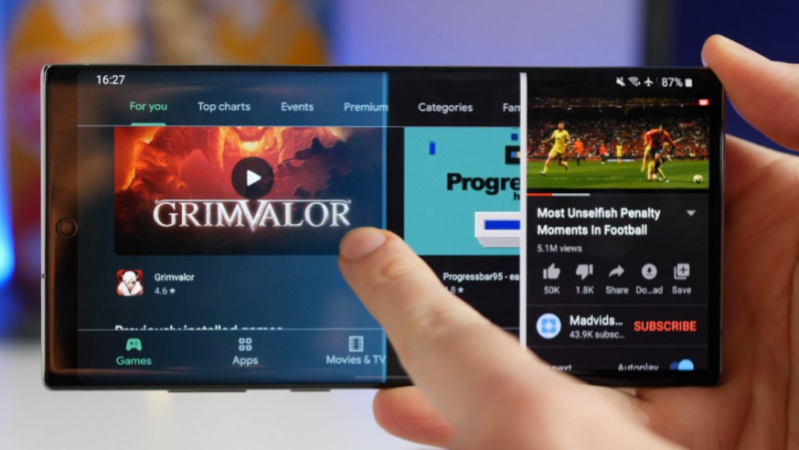
3. Multitasking: Android allows for more flexible multitasking with split-screen mode, while iOS only supports split-screen mode on iPad.
4. Voice Assistants: Android has Google Assistant, while iOS has Siri. Both have their strengths and weaknesses, but users generally find Google Assistant to be more advanced in terms of natural language processing.
5. Default Apps: Android allows users to choose default apps for certain functions, such as the default browser or email app, while iOS has default apps that cannot be changed. IOS products do NOT allow you to delete special apps Apple deemed Priority for sake of a better working ecosystem.
6. System updates: Android system updates are often slower to roll out across different devices, while iOS updates are usually available for all compatible devices at the same time.
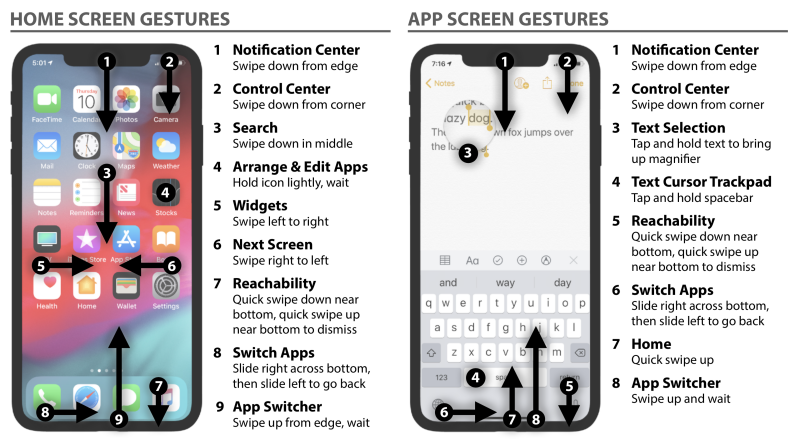
7. Navigation: Android has a dedicated back button, while iOS relies on gestures for navigation.
8. File Management: Android has a more open file management system, allowing users to browse and access files on their device more easily, while iOS has a more closed system.
9. Price: Android devices are available at a wide range of price points, including many affordable options, while iOS devices tend to be more expensive.
10. Integration with other devices: Android devices are often better at integrating with non-Apple devices, while iOS devices have better integration with other Apple devices such as Macs, iPads, and Apple Watches.









Create Your Own Website With Webador